
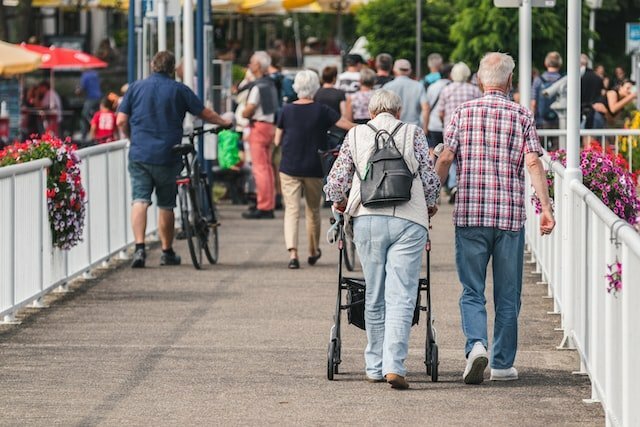
Falls are a common and serious concern for seniors, as they can lead to significant injuries, hospitalizations, and a loss of independence. However, falls are not an inevitable part of aging, and there are many strategies that seniors can use to prevent falls and stay safe. In this blog, we will discuss the importance of falls prevention for seniors, and provide tips and strategies for staying safe.
Outline
The Importance of Falls Prevention for Seniors
1.Reduced Risk of Injury
Falls can lead to serious injuries, such as fractures, head injuries, and lacerations. Falls prevention strategies can reduce the risk of these injuries, and help seniors maintain their physical health and independence.
2. Improved Quality of Life
The fear of falling can limit seniors’ activities and social interactions, leading to isolation and a reduced quality of life. By preventing falls, seniors can stay active and engaged, and maintain their independence.
3. Lower Healthcare Costs
Falls can lead to costly hospitalizations and medical treatments. By preventing falls, seniors can reduce their healthcare costs and avoid unnecessary medical interventions.
Tips and Strategies for Staying Safe
1. Exercise Regularly
Regular exercise can improve strength, balance, and flexibility, which are key factors in preventing falls. Seniors should consult with their healthcare provider before starting an exercise program, and choose activities that are safe and appropriate for their fitness level.
2. Check Medications
Some medications can increase the risk of falls, particularly those that cause dizziness, drowsiness, or confusion. Seniors should review their medications with their healthcare provider, and ensure that they are taking them as prescribed.
3. Use Assistive Devices
Assistive devices, such as canes, walkers, and grab bars, can improve safety and stability for seniors. Seniors should ensure that these devices are in good condition, and use them consistently as needed.
4. Improve Home Safety
Seniors can make their homes safer by removing tripping hazards, such as loose rugs and clutter, and installing handrails and grab bars in high-risk areas, such as bathrooms and stairways.
5. Get Regular Vision and Hearing Exams
Vision and hearing problems can increase the risk of falls. Seniors should get regular vision and hearing exams, and address any issues promptly.
6. Stay Mindful and Alert
Seniors should stay mindful of their surroundings, and be alert for potential hazards, such as uneven surfaces or obstacles. They should also avoid walking while distracted, such as while texting or talking on the phone.
In conclusion, falls prevention is essential for senior health and well-being. By exercising regularly, checking medications, using assistive devices, improving home safety, getting regular vision and hearing exams, and staying mindful and alert, seniors can reduce their risk of falls and maintain their independence. Seniors should work closely with their healthcare provider to develop a personalized falls prevention plan that is tailored to their individual needs and circumstances.